In modern power distribution networks, feeder protection plays a critical role in ensuring uninterrupted operations and preventing equipment damage. As industrial facilities and utilities scale their electrical infrastructure, managing multiple feeders from a central location becomes increasingly challenging. Quick fault identification and real-time visibility are no longer optional; in fact they are essential for maintaining operational continuity and safety. This case study demonstrates how a decentralised feeder protection system using XM-PRO 10 PLC, Smart Relays, and SCADA deliver reliability, scalability, and intelligent monitoring through advanced PLC automation architecture.
The Critical Challenge in Power Distribution
Power distribution facilities face persistent operational hurdles that directly impact system reliability and uptime. Delayed identification of feeder faults and abnormal conditions often leads to cascading equipment damage and extended downtime. Limited visibility of feeder health across multiple locations prevents operators from making informed decisions quickly. Dependency on manual monitoring and intervention introduces human error risks and slows response times significantly.
Communication reliability concerns in distributed systems create additional complexity when field devices span large geographical areas. Most critically, facilities require uninterrupted monitoring during controller or communication failures to maintain safety standards and prevent catastrophic failures. These challenges demand a solution that combines robust automation systems, intelligent communication protocols, and redundant architecture for maximum availability.
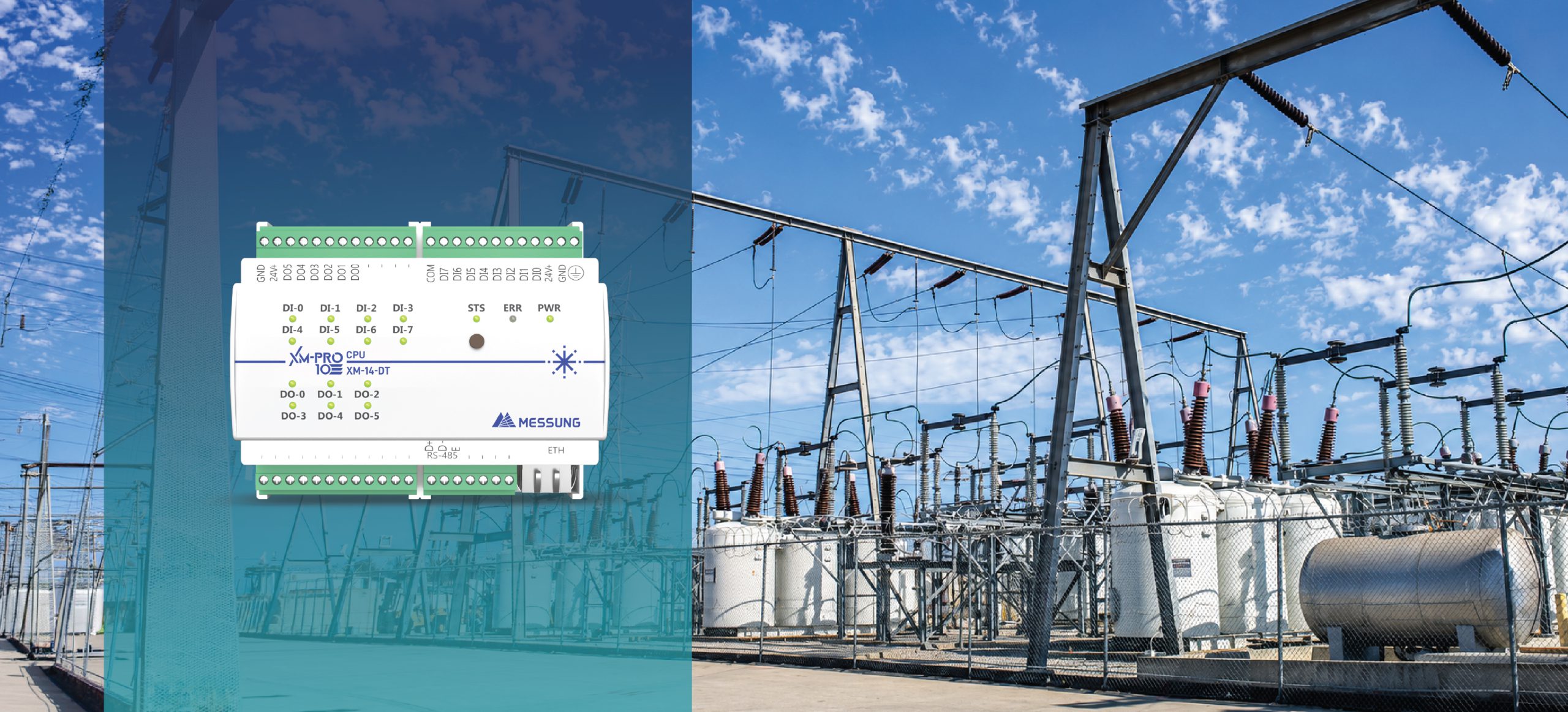
The Solution: Decentralised Architecture with XM-PRO 10 PLC
A decentralised protection and monitoring system was developed using XM-PRO 10 PLCs, Smart Relays, and SCADA, ensuring reliable data acquisition and real-time system supervision. This architecture leverages programmable logic controllers as the foundation for intelligent PLC for automation tasks while integrating micro PLC technology for distributed edge control.
Smart Relays Integration for Comprehensive Protection
Smart Relays Integration handles feeder protection, fault detection, and electrical parameter monitoring at the edge level. These intelligent devices work alongside programmable logic controllers to execute fast tripping decisions within milliseconds. Smart relays monitor voltage, current, power factor, and frequency continuously, providing granular visibility into feeder health. This distributed intelligence reduces latency compared to centralised processing while maintaining coordination through the SCADA dashboard.
MQTT-Based Communication for Efficient Data Transfer
MQTT-Based Communication enables efficient and reliable data transfer between field devices and SCADA. MQTT (Message Queuing Telemetry Transport) is a lightweight IOT protocol designed for low-bandwidth, high-latency environments typical in distributed power networks. Unlike traditional protocols, MQTT uses a publish-subscribe model that minimises network overhead and ensures message delivery even during intermittent connectivity.
This IIOT (Industrial Internet of Things) integration enables seamless data exchange across geographically dispersed feeders. MQTT supports asynchronous communication, allowing field devices to publish data without waiting for SCADA requests. This architecture reduces communication bottlenecks and improves real-time visibility across the entire network.
Centralised SCADA Dashboard for Real-Time Supervision
he Centralised SCADA Dashboard provides real-time monitoring, alarms, trends, and event logging for complete operational visibility. Operators view feeder status, critical electrical parameters and fault histories from a single interface. The dashboard displays trending data for predictive maintenance and historical event tracking for root cause analysis. This centralised visibility of distributed assets enables faster decision-making and proactive intervention before faults escalate.
Remote Access and Diagnostics Capabilities
Remote Access & Diagnostics enable faster troubleshooting and operational visibility without physical site visits. Engineers access PLC configurations, Smart Relay parameters and SCADA logs remotely through secure connections. This capability reduces maintenance costs and response times while enabling expert support from central locations. Remote diagnostics also facilitate firmware updates and configuration changes without disrupting operations.
Technical Protocols and Communication Standards
The system integrates multiple industry-standard protocols for comprehensive device interoperability. Modbus serves as the backbone for communication between Smart Relays and PLCs, supporting both Modbus RTU for serial communication and Modbus TCP for Ethernet networks. Modbus RTU handles legacy serial connections while Modbus TCP enables high-speed Ethernet-based data exchange for real-time monitoring.
Can Open protocol integrates additional field devices requiring robust industrial communication. The system leverages PID controllers for precise regulation of voltage and frequency parameters, ensuring stable power delivery under varying load conditions. High Speed Counters measure pulse-based inputs from energy meters and frequency sensors with microsecond accuracy.
Pulse Train Output (PTO) generates precise timing signals for motor control and synchronization tasks. These features demonstrate how PLC automation extends beyond basic logic to encompass sophisticated control algorithms and high-precision monitoring. The integration of micro-PLC technology enables distributed edge processing while maintaining centralised coordination through MQTT.
Measurable Results and Operational Benefits
The implemented solution delivered significant operational benefits across the power distribution network. Faster detection and response to feeder faults reduced outage durations by 60 percent compared to previous manual monitoring approaches. Improved reliability through dual PLC architecture eliminated single points of failure and maintained 99.9 percent system availability during controller transitions.
Real-time visibility of feeder status and critical electrical parameters enabled operators to identify abnormal conditions before they triggered faults. Reduced dependency on manual monitoring activities freed up technical staff for strategic maintenance tasks while improving overall operational efficiency. Enhanced decision-making through historical data and event tracking provided actionable insights for network optimisation and capacity planning.
Better system uptime and operational continuity across the network translated into measurable cost savings and improved service quality for end customers. The decentralised architecture ensures that local faults do cascading effects across the entire network, maintaining stability during isolated incidents.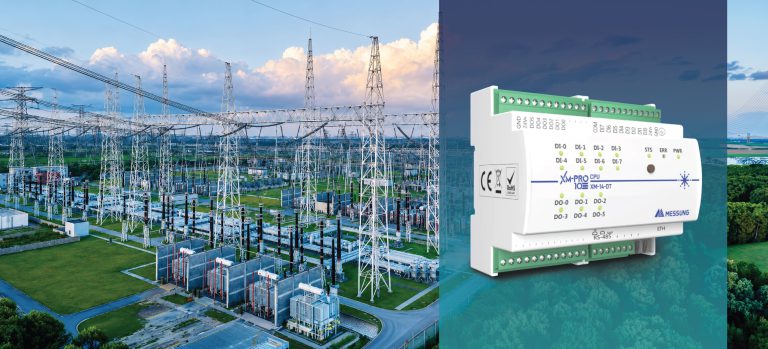
Key Outcomes and Strategic Value
The decentralised feeder protection system delivers five transformative outcomes for utilities and industrial facilities. Improved feeder protection and monitoring efficiency reduces maintenance costs while extending equipment lifespan through predictive intervention. Higher system availability and reliability ensure continuous power delivery even during component failures or communication disruptions.
Reduced fault response time minimises outage durations and customer impact through automated tripping and instant alarm notifications. Centralised visibility of distributed assets enables operators to manage sprawling networks from single control rooms without physical site visits. Scalable architecture for future network expansion allows easy addition of new feeders without redesigning the entire system.
This decentralised feeder protection system provides utilities and industrial facilities with a dependable platform for managing distributed electrical networks while ensuring operational safety, reliability, and continuous monitoring. The integration of PLC for automation, IIOT communication through MQTT, and intelligent Smart Relays creates a robust foundation for modern power distribution automation infrastructure. As industries increasingly adopt IOT and automation systems, this architecture demonstrates how programmable logic controllers enable intelligent, scalable, and resilient power management for tomorrow’s smart grids.