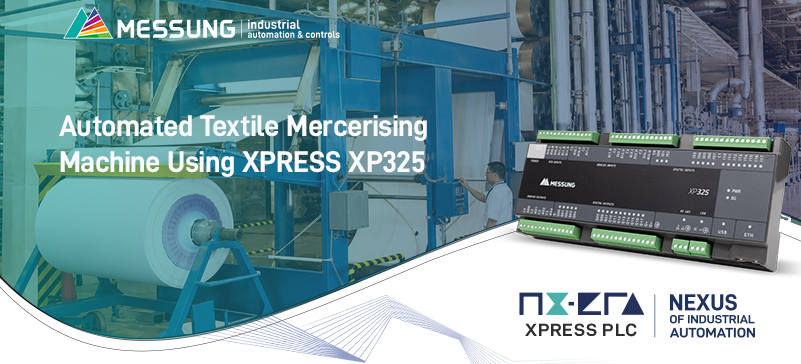
In modern textile manufacturing, maintaining consistent fabric quality while ensuring operational efficiency is one of the biggest production challenges. This becomes even more critical in specialised textile finishing processes like mercerising, where even slight inconsistencies can impact the final appearance, texture, and durability of the fabric. To overcome these challenges, manufacturers are increasingly adopting advanced industrial automation solutions that enable precision, reliability, and process stability.
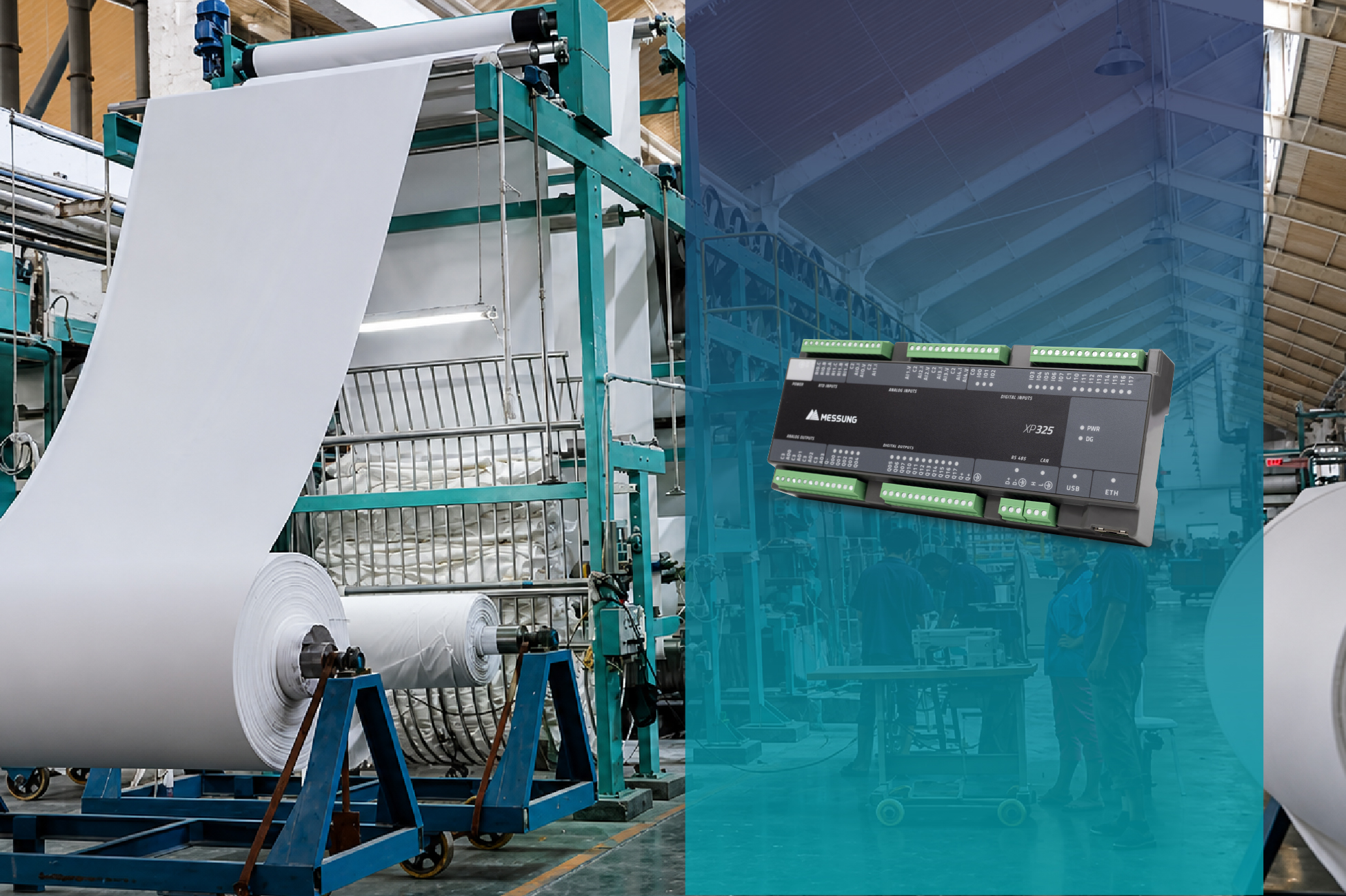
A textile mercerising machine powered by the NX-ERA XPRESS XP325 PLC with CANopen expansion IO modules provides an advanced and efficient solution for modern textile processing operations. By integrating intelligent PLC automation with precise process control, the system ensures uniform treatment conditions throughout the operation, helping manufacturers achieve superior fabric quality with reduced operational variability.
In textile processing, achieving uniform fabric quality while maintaining efficiency is always a challenge; especially in processes like mercerising. A textile mercerising machine powered by the XPRESS XP325 PLC with CANopen expansion IO modules simplifies this by bringing precise control and consistency to the entire operation.
At the core of the system, the PLC manages critical parameters such as lye concentration, fabric tension, temperature, and machine speed. Since mercerising directly impacts fabric strength, luster, and dye absorption, even minor variations can affect the final output. The XPRESS XP325 ensures that all these variables are controlled accurately and continuously.
The process runs through multiple stages; namely chemical treatment, stretching, washing, and stabilisation, while maintaining synchronisation across the system. With screen-based control and automated adjustments, operators can monitor and manage the process without constant manual intervention.
Understanding the Importance of Mercerising
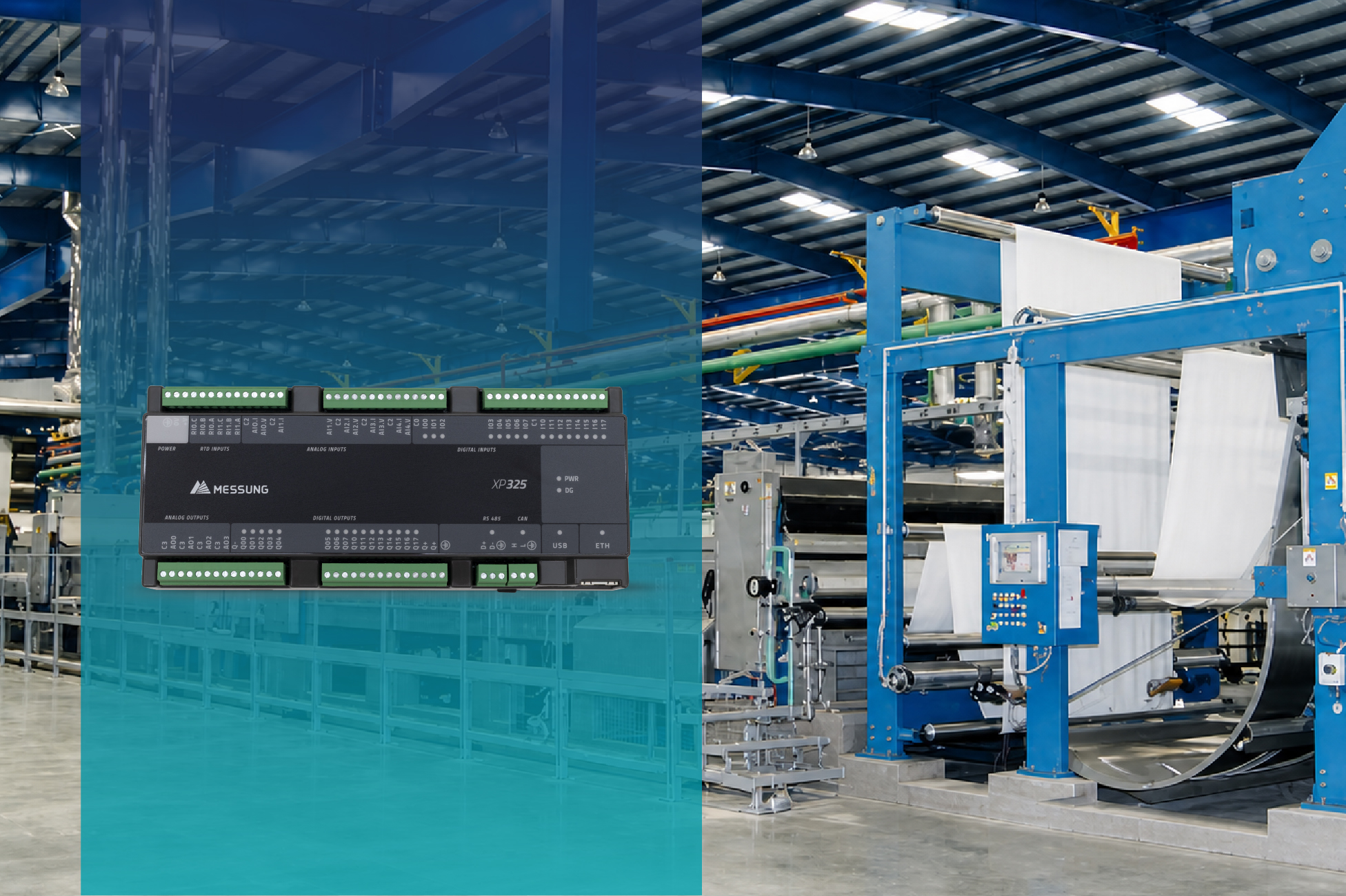
Mercerising is a crucial stage in the textile manufacturing process that enhances the physical and visual properties of fabric. During this process, fabric is treated with caustic soda under controlled tension conditions, improving luster, tensile strength, dimensional stability, and dye absorption capability.
However, the effectiveness of mercerising depends entirely on maintaining precise operating conditions throughout the process. Parameters such as chemical concentration, fabric speed, temperature, and dwell time must remain stable to achieve consistent fabric quality. Variations in any of these factors can result in uneven treatment, reduced strength, inconsistent dye uptake, and production losses.
This is where modern PLC control systems play a critical role in transforming conventional operations into highly efficient and stable automated systems.
The Role of NX-ERA XPRESS XP325 PLC
The NX-ERA XPRESS XP325 acts as the central programmable controller for the textile processing machine, enabling seamless coordination of all machine functions. As an advanced industrial PLC, it is designed to handle demanding industrial environments while delivering accurate and real-time process control.
The system continuously monitors and adjusts key parameters such as:
- Lye concentration
- Fabric tension
- Machine speed
- Temperature control
- Washing cycle synchronisation
- Stabilisation process timing
Through precise automation, the PLC for automation ensures that all stages of the mercerising process remain synchronised, resulting in consistent and repeatable fabric treatment quality.
The compact PLC architecture also allows textile manufacturers to achieve high functionality within limited panel space, making it suitable for modern compact textile machinery layouts.
Precise Process Control for Better Fabric Quality
One of the biggest advantages of implementing PLC automation in mercerising operations is the ability to maintain process precision continuously.
The integration of PID controllers within the PLC control system allows accurate regulation of temperature, chemical dosing, and tension control. PID-based control logic continuously compares actual process values with predefined setpoints and automatically corrects deviations in real time.
This precise control ensures:
- Uniform lye penetration
- Consistent fabric stretching
- Controlled washing operations
- Stable drying and stabilisation
- Improved dye absorption consistency
As a result, textile manufacturers achieve improved fabric finish, better product uniformity, and reduced quality rejection rates.
CANopen Expansion for Flexible Integration
The NX-ERA XPRESS XP325 PLC uses CANopen expansion IO modules to enable flexible system scalability and seamless communication between machine components.
CANopen communication enhances the ability of the automation systems to integrate with:
- Sensors
- Drives
- Actuators
- Temperature controllers
- Monitoring devices
- Additional machine sections
This modular PLC architecture simplifies machine expansion and future upgrades without requiring major system redesigns. Textile machinery manufacturers benefit from this flexibility by being able to customize systems according to different production capacities and operational requirements.
The use of Modbus and CANopen protocols also enables better interoperability with external industrial control systems and supervisory platforms.
Real-Time Monitoring and Smart Automation
Modern textile operations demand better process visibility and operational intelligence. The NX-ERA XP325 PLC supports advanced real-time monitoring through intuitive HMI interfaces and integrated industrial automation solutions.
Operators can continuously monitor key production parameters including:
- pH levels
- Fabric tension
- Process temperatures
- Dwell times
- Production speed
- Water flow rates
Screen-based visualisation enables operators to quickly identify abnormalities and make informed operational decisions. This reduces dependency on manual inspection while improving production reliability.
The integration of IIOT and IOT technologies further enhances the system’s capabilities by enabling remote monitoring, data collection, and production analysis.
IIOT-Enabled Textile Manufacturing
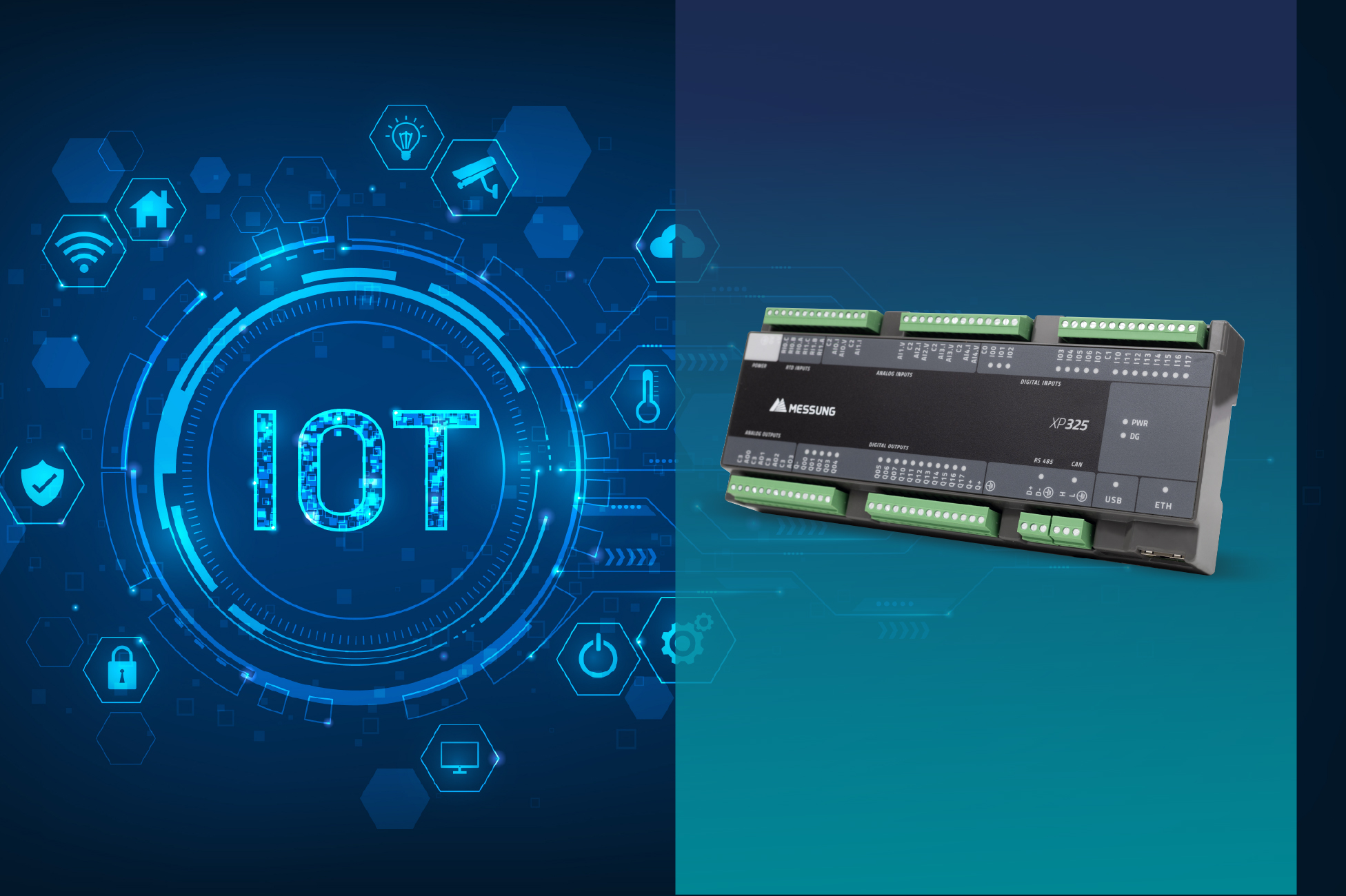
The growing adoption of IIOT in textile manufacturing is driving smarter and more connected production environments. The NX-ERA XP325 PLC supports PLC with IOT capabilities, enabling textile plants to transition toward smart manufacturing practices.
With IIOT integration, textile manufacturers can:
- Track machine performance remotely
- Monitor production trends
- Analyse downtime patterns
- Schedule predictive maintenance
- Improve process optimisation
- Enhance operational transparency
The use of programmable logic controllers with industrial connectivity helps improve plant-wide coordination and enables data-driven decision-making.
This smart factory approach improves operational efficiency while reducing unplanned machine stoppages and maintenance costs.
Optimised Resource Utilisation
One of the major concerns in textile processing operations is excessive usage of chemicals, water, and energy. The PLC automation system significantly improves resource management by ensuring controlled dosing and optimised flow regulation.
The system automatically regulates:
- Chemical dosing accuracy
- Water flow rates
- Pump operation timing
- Heating cycles
- Energy consumption patterns
This optimisation reduces wastage and lowers operational costs while supporting sustainable textile manufacturing practices.
For textile manufacturers operating large-scale facilities, these efficiencies contribute significantly toward long-term cost savings and environmental responsibility.
Reduced Manual Dependency
Traditional mercerising operations often require continuous operator supervision and manual adjustments. Such dependency increases the chances of inconsistency and operational errors.
The implementation of industrial PLC systems minimises manual intervention through intelligent automation and process synchronisation.
Benefits include:
- Reduced human error
- Improved production consistency
- Faster process adjustments
- Reduced operator fatigue
- Better production reliability
This allows plant personnel to focus more on quality monitoring and operational optimisation rather than repetitive manual control activities.
Reliable Performance in Demanding Environments
Textile processing environments are highly demanding due to moisture, chemical exposure, temperature variations, and continuous operation requirements.
The NX-ERA XPRESS XP325 is designed as a robust programmable controller capable of operating reliably under such industrial conditions. Its durable design and stable performance ensure continuous production without compromising control accuracy.
For textile machinery manufacturers, reliability is essential to maintaining long-term customer confidence and operational efficiency.
Key Functional Highlights
Centralised PLC Control
XPRESS XP325 manages lye dosing, temperature, tension, and speed through a single control platform.
Precise Process Automation
Maintains consistent treatment conditions for uniform fabric quality.
CANopen Expansion Support
Enables seamless integration of IO modules for better scalability and control.
Integrated Monitoring
Real-time tracking of key parameters like pH, tension, and dwell time.
Optimised Resource Usage
Controlled chemical dosing and water flow reduce wastage.
Benefits for Textile Operations
Improved Fabric Quality
Ensures better luster, strength, and dye uptake with uniform processing.
Reduced Manual Dependency
Automation minimises human error and improves consistency.
Higher Process Efficiency
Stable operations help achieve optimal production speeds.
Cost Optimisation
Efficient use of chemicals, water, and energy lowers operational costs.
Reliable Performance
Designed for continuous operation in demanding textile environments.
Conclusion
An automated textile mercerising machine using the XPRESS XP325 PLC brings accuracy and reliability to one of the most critical textile processes. It not only enhances fabric quality but also improves overall plant efficiency by reducing variability and manual intervention.
For textile manufacturers, this solution offers a practical way to achieve consistent output, optimise resources, and maintain high production standards without adding complexity to operations.
By integrating advanced PLC automation, industrial control systems, IIOT connectivity, and smart process monitoring, the NX-ERA XPRESS XP325 PLC enables textile manufacturers to move toward intelligent, efficient, and future-ready production environments. As the textile industry continues evolving toward automation-driven manufacturing, solutions like these will play a critical role in delivering quality, efficiency, and long-term operational excellence.