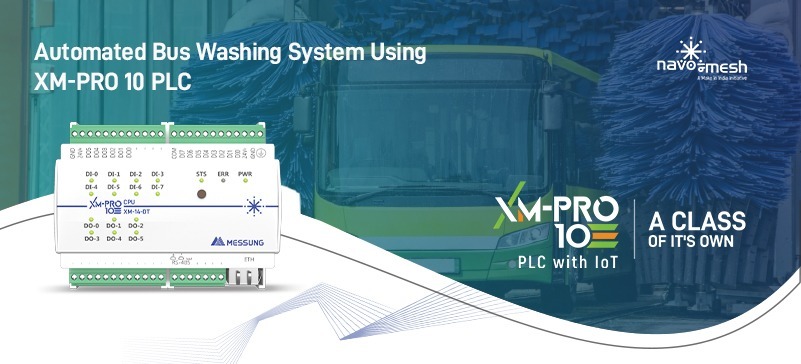
Keeping buses clean in depots and transport facilities is a continuous challenge, especially when dealing with high volumes and tight schedules. An automated bus washing system powered by the XM-PRO 10 PLC simplifies this entire process by bringing consistency, control, and efficiency to operations.
At the heart of the system, the PLC control system manages and synchronises multiple stages of the wash cycle—from vehicle detection to final drying. Since buses are larger and require more intensive cleaning than cars, precise coordination of pumps, brushes, and dosing systems becomes critical. This is where the XM-PRO 10 PLC ensures smooth and reliable execution.
The system starts with vehicle detection, followed by controlled pre-wash, detergent application, brushing, rinsing, and drying. Each stage is timed and executed accurately to ensure proper cleaning without wasting water or chemicals. The PLC also handles safety interlocks and fault detection, ensuring uninterrupted and safe operation even in demanding environments.
The Role of PLC Automation in Modern Bus Washing Systems
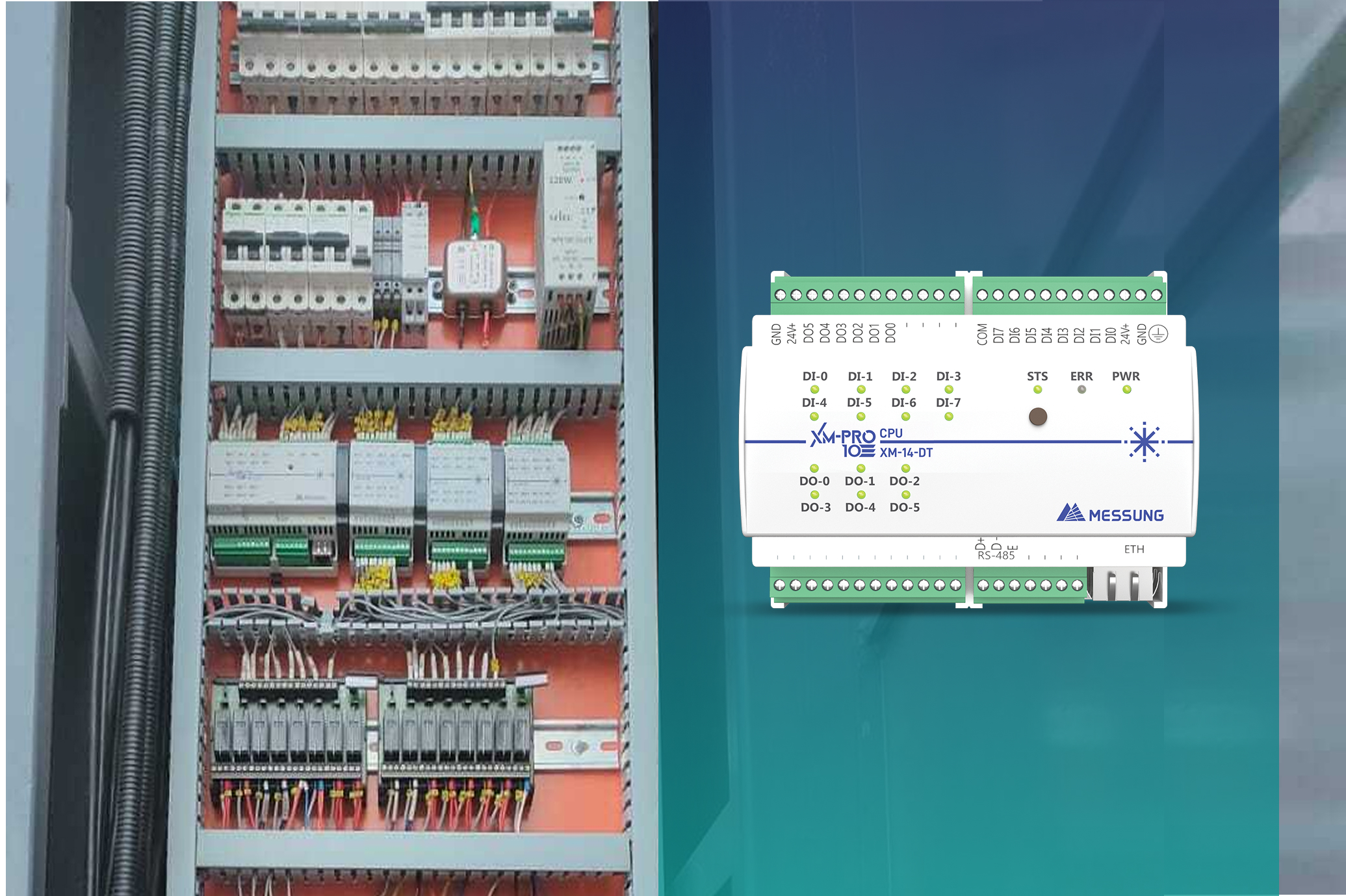
Modern depot operations rely heavily on PLC automation to ensure reliable and repeatable performance. A programmable controller, such as the XM-PRO 10, enables precise control of mechanical and electrical systems, ensuring synchronised operations across multiple components.
Programmable logic controllers are widely used in industrial environments because of their ability to handle repetitive processes with high accuracy. In bus washing applications, an industrial PLC ensures that pumps, motors, sensors, and chemical dosing units operate in a coordinated sequence.
The XM-PRO 10 functions as a compact PLC designed to deliver powerful automation capabilities in a smaller footprint. Such compact PLC designs are ideal for installations where control panel space is limited but performance requirements remain high. Many PLC manufacturers in India are focusing on developing scalable, cost-effective PLC platforms to support emerging automation needs across transport and infrastructure sectors.
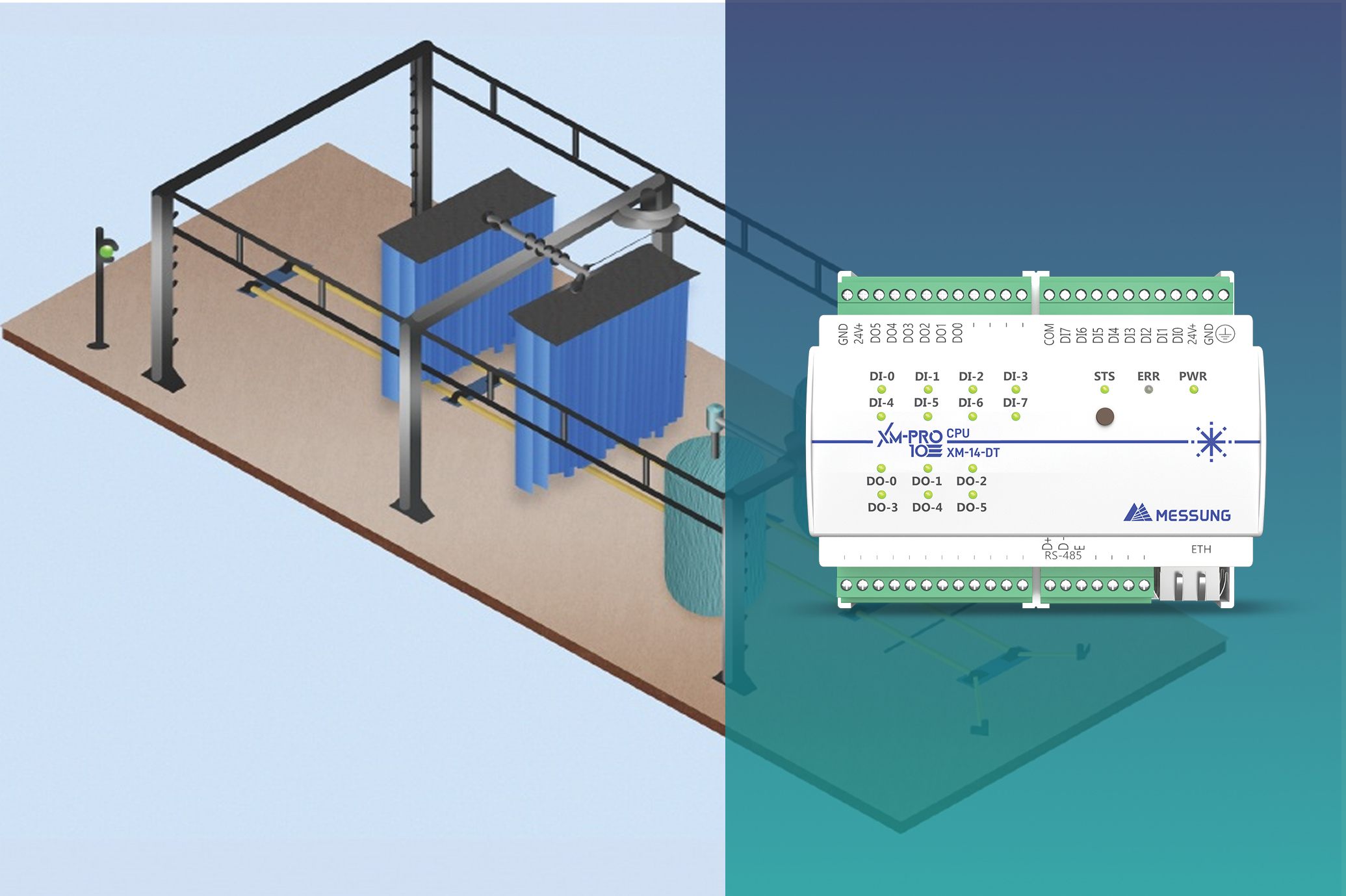
Understanding the Automated Wash Cycle
The efficiency of an automated bus washing system lies in its structured workflow, which ensures consistent results with minimal resource wastage.
Vehicle Detection
The process begins when sensors detect the arrival of a bus at the entry point. The PLC for automation interprets the signal and activates the wash cycle automatically. This eliminates manual initiation and ensures smooth vehicle flow.
Controlled Pre-Wash
During pre-wash, high-pressure water jets remove loose dirt, dust, and debris from the bus surface. The PLC ensures that water pressure and duration are optimised to achieve effective cleaning while conserving water.
Detergent Application
In this stage, the system applies foam or detergent uniformly across the bus surface. Accurate dosing ensures optimal cleaning efficiency. The PLC control system regulates chemical flow rates to prevent excessive use of cleaning agents.
Mechanical Brushing
Large rotating brushes scrub the bus surface to remove stubborn dirt. Synchronisation between brush movement and vehicle position is essential. A small PLC like the XM-PRO 10 handles this coordination effectively, ensuring safe and consistent brush operation.
Rinsing
Clean water rinses away detergent residue and loosened dirt particles. This stage ensures that no chemical traces remain on the vehicle surface.
Drying
High-speed air blowers remove moisture from the bus exterior. This prepares the vehicle for immediate deployment without waiting for natural drying.
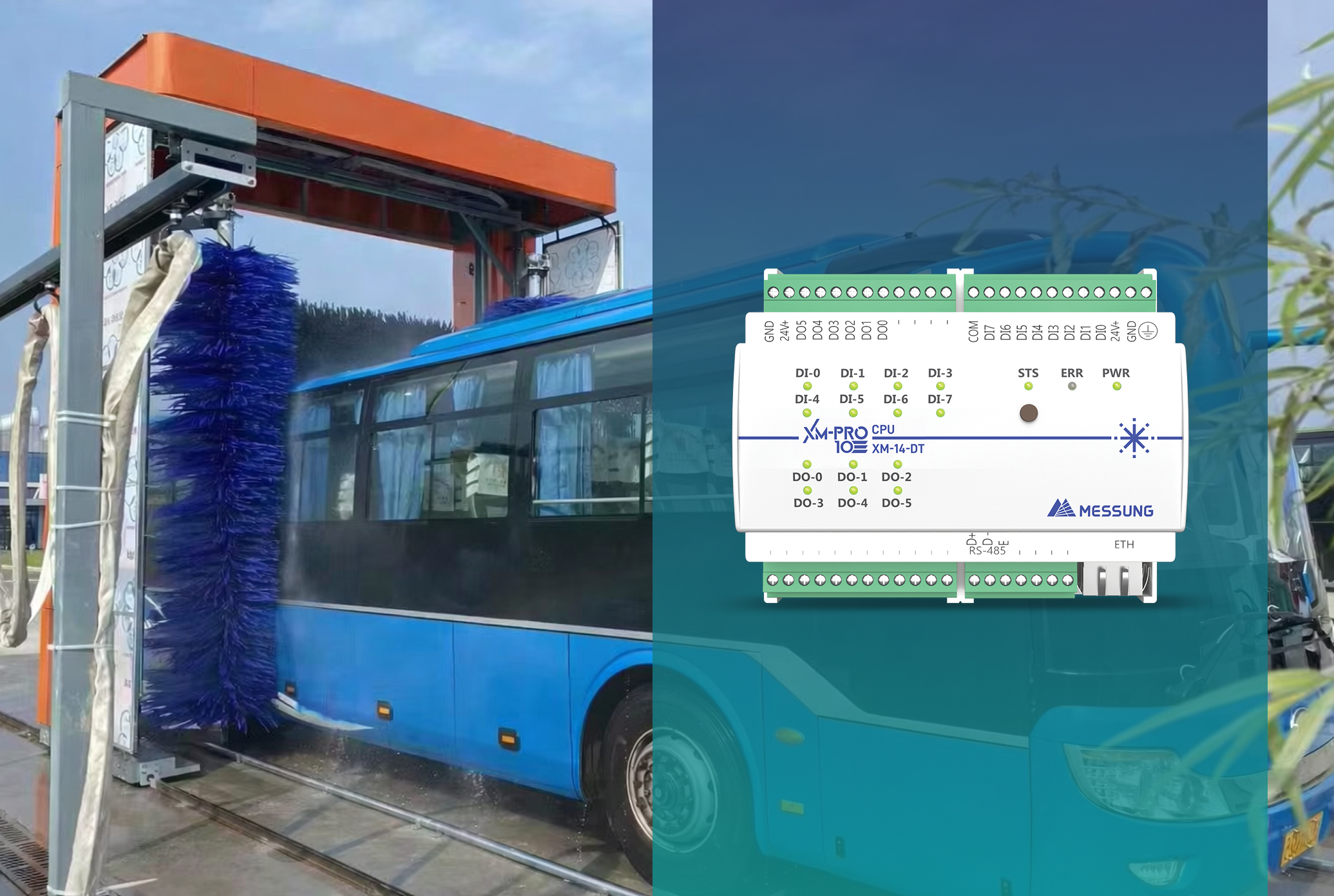
Key Functional Highlights
- Centralised PLC Control: XM-PRO 10 manages all washing stages through a single, robust control system
• Automated Wash Cycle: Pre-wash, foam, brushing, rinsing, and drying executed in a defined sequence
• Accurate Chemical Dosing: Ensures optimal use of detergents without overconsumption
• Heavy-Duty Equipment Handling: Controls high-pressure pumps, large brushes, and blowers efficiently
• Fault Detection & Alerts: Quick identification of issues to minimise downtime
• Safety Integration: Includes interlocks to protect equipment and operators
Benefits for Operations
• Consistent Cleaning Quality: Every bus gets uniform results, irrespective of load or time
• Reduced Manual Effort: Minimises dependency on labour and human intervention
• Optimised Resource Usage: Saves water, electricity, and chemicals through controlled operation
• Higher Throughput: Faster wash cycles help manage large fleets efficiently
• Durability in Harsh Conditions: Designed to work reliably in wet, dusty depot environments
Why Compact and Modular PLC Designs Matter
In large-scale washing installations, space efficiency and scalability are essential. The XM-PRO 10 functions as a mini PLC or micro PLC, making it suitable for applications that require advanced automation without large control panels.
A modular PLC architecture allows users to expand the system as operational needs grow. Additional input/output modules can be integrated to support new features such as extra washing zones, chemical dosing units, or drying systems.
Many organisations prefer low cost PLC solutions that deliver reliable performance without excessive capital investment. The XM-PRO 10 represents a low cost PLC in India that balances affordability with industrial-grade functionality, making automation accessible to a broader range of transport facilities.
Integration with IIoT and Smart Automation Systems
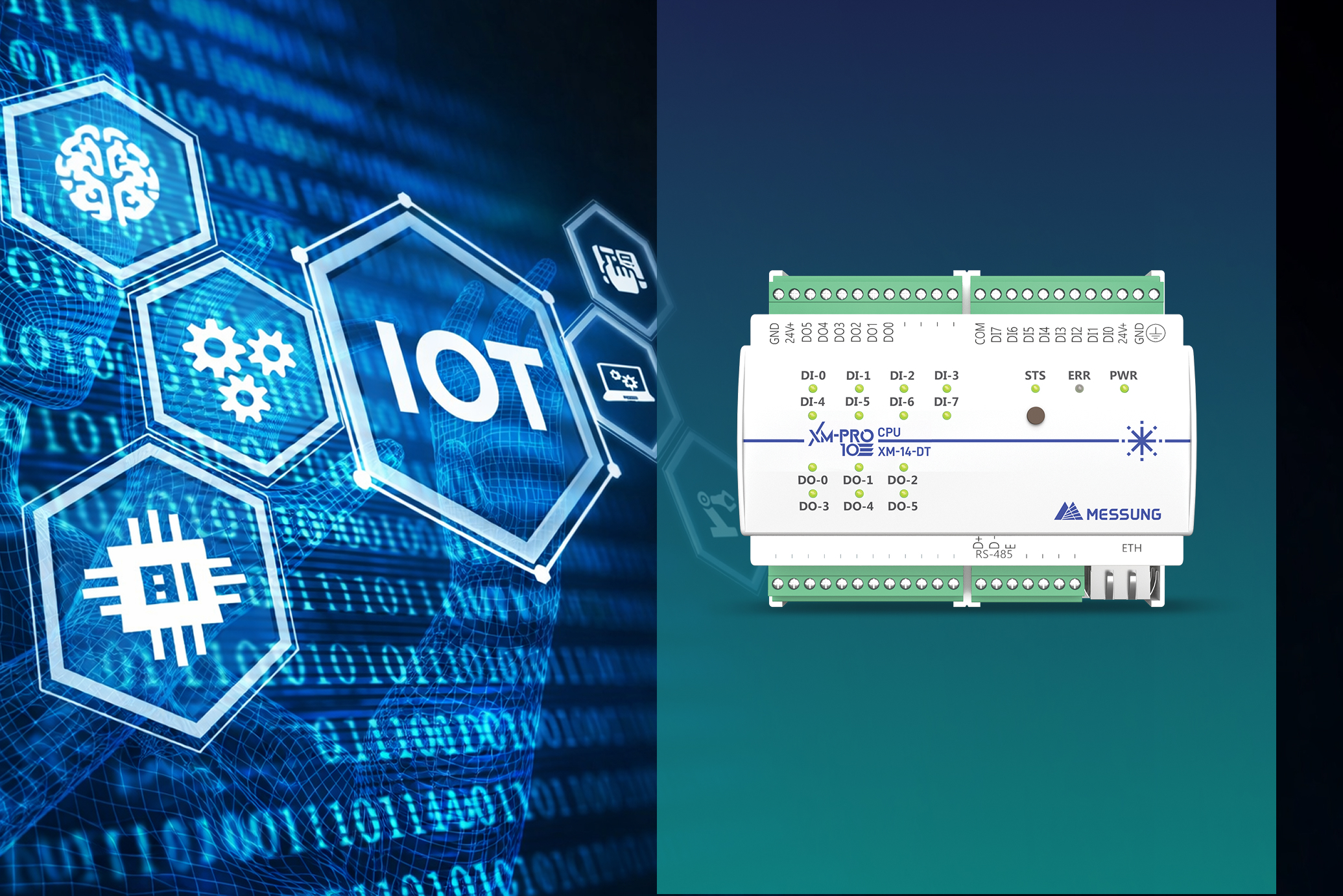
Modern automation systems increasingly incorporate IIOT (Industrial Internet of Things) and IOT technologies to enhance monitoring and control capabilities.
By integrating IIoT-enabled sensors and communication modules, the automated bus washing system can provide:
● Real-time performance monitoring
● Remote system diagnostics
● Predictive maintenance alerts
● Energy and water consumption tracking
An industrial PLC connected to IIoT platforms enables operators to monitor washing operations remotely through dashboards or mobile applications. This level of visibility helps improve decision-making and supports continuous improvement initiatives.
Improving Efficiency Through Intelligent PLC Programming
The intelligence of the XM-PRO 10 lies in its programmable logic capabilities. As a programmable controller, it allows operators to define customised wash sequences based on operational requirements.
For example:
● Buses operating in muddy rural areas may require longer pre-wash durations.
● City buses may require shorter cycles due to lighter contamination levels.
● Special vehicles may require customised detergent concentrations.
The flexibility of PLC for automation ensures that such variations can be handled without changing hardware configurations.
Enhancing Safety and Reliability
Safety is a major consideration in automated washing environments where high-pressure systems and rotating equipment are involved.
The PLC control system ensures that safety protocols are enforced at every stage of operation. Emergency stop systems, overload protection, and safety interlocks prevent accidents and equipment damage.
Reliability is equally important. Programmable logic controllers are designed to operate continuously in industrial environments with minimal downtime. Their robust design ensures long-term operational stability even in wet and dusty conditions.
Supporting Sustainability and Resource Conservation
Automated washing systems powered by industrial PLC technology contribute significantly to sustainability goals.
Water conservation is achieved through controlled spray patterns and timed wash cycles. Chemical dosing systems prevent excessive detergent usage, reducing environmental impact.
Many installations also incorporate water recycling units, further enhancing resource efficiency. With increasing focus on sustainable operations, adopting automation systems with intelligent control capabilities has become a strategic priority.
Choosing the Right PLC for Large-Scale Applications
Selecting the right PLC is critical to achieving reliable performance. Factors such as processing capacity, communication capability, input/output support, and scalability must be considered.
Modern PLC manufacturers in India are designing compact PLC, mini PLC, and micro PLC solutions tailored to industry-specific requirements. These platforms offer flexibility, cost efficiency, and compatibility with emerging digital technologies.
The XM-PRO 10 stands out as a small PLC capable of handling demanding industrial processes without requiring complex infrastructure. Its balance of performance and cost makes it suitable for bus depots, transport hubs, and logistics facilities.
Future of PLC Automation in Transport Infrastructure
As urban transport networks continue to expand, the demand for efficient maintenance systems will grow. Automated bus washing systems represent an essential component of modern fleet management strategies.
The integration of IIOT, advanced sensors, and modular PLC platforms will further enhance automation capabilities. Future systems may incorporate AI-driven diagnostics, energy optimisation algorithms, and fully autonomous maintenance operations.
With continued advancements in PLC automation, transport organisations can expect higher operational efficiency, improved safety, and reduced environmental impact.
Conclusion
An automated bus washing system using the XM-PRO 10 PLC brings the right balance of performance, efficiency, and reliability for large-scale transport operations. It not only improves cleaning quality but also ensures better resource management and smoother day-to-day functioning.
For organisations managing bus fleets, this solution is a practical step towards smarter operations—saving time, reducing costs, and maintaining high hygiene standards without operational complexity.
By leveraging advanced PLC automation, industrial PLC technologies, and scalable automation systems, transport facilities can modernise their maintenance infrastructure and prepare for the future of intelligent fleet management.