
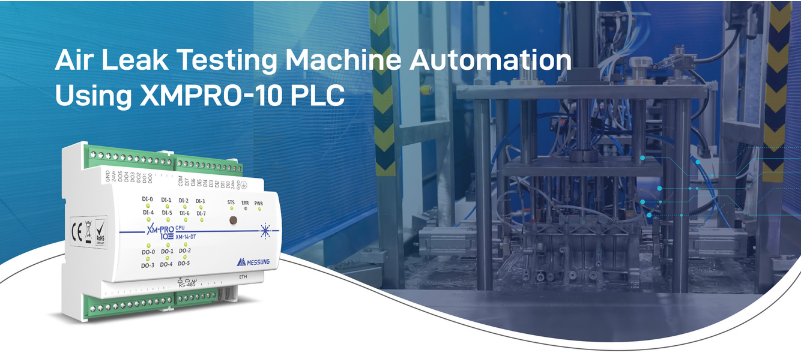
In today’s precision-driven manufacturing landscape, product integrity is not just a quality benchmark—it is a critical business requirement. Industries such as automotive, pharmaceuticals, medical devices, and industrial manufacturing demand components that perform reliably under pressure and in real-world conditions.
One of the most effective methods for ensuring such reliability is air leak testing. This process verifies whether a component can maintain pressure within defined limits, ensuring it is free from defects that could lead to failure.
To achieve consistent and accurate results, manufacturers are increasingly adopting PLC automation as part of advanced automation systems. An Air Leak Testing Machine powered by Messung’s XMPRO-10 PLC combines precision, repeatability, and intelligent control, making it an ideal solution for modern quality assurance processes.
The Need for Precision in Leak Testing
Leak testing is a critical quality control step, especially for components that handle air, gas, or fluids. Even minor leaks can result in:
- Product failure during operation
- Safety hazards
- Reduced efficiency
- Increased maintenance costs
- Non-compliance with industry standards
Traditional testing methods often depend on manual intervention, which introduces variability and inconsistency. Differences in operator handling, pressure application, and judgment can lead to unreliable results.
To overcome these challenges, industries are turning to PLC for automation, ensuring that leak testing processes are standardized, repeatable, and accurate.
Importance of PLC-Based Leak Testing
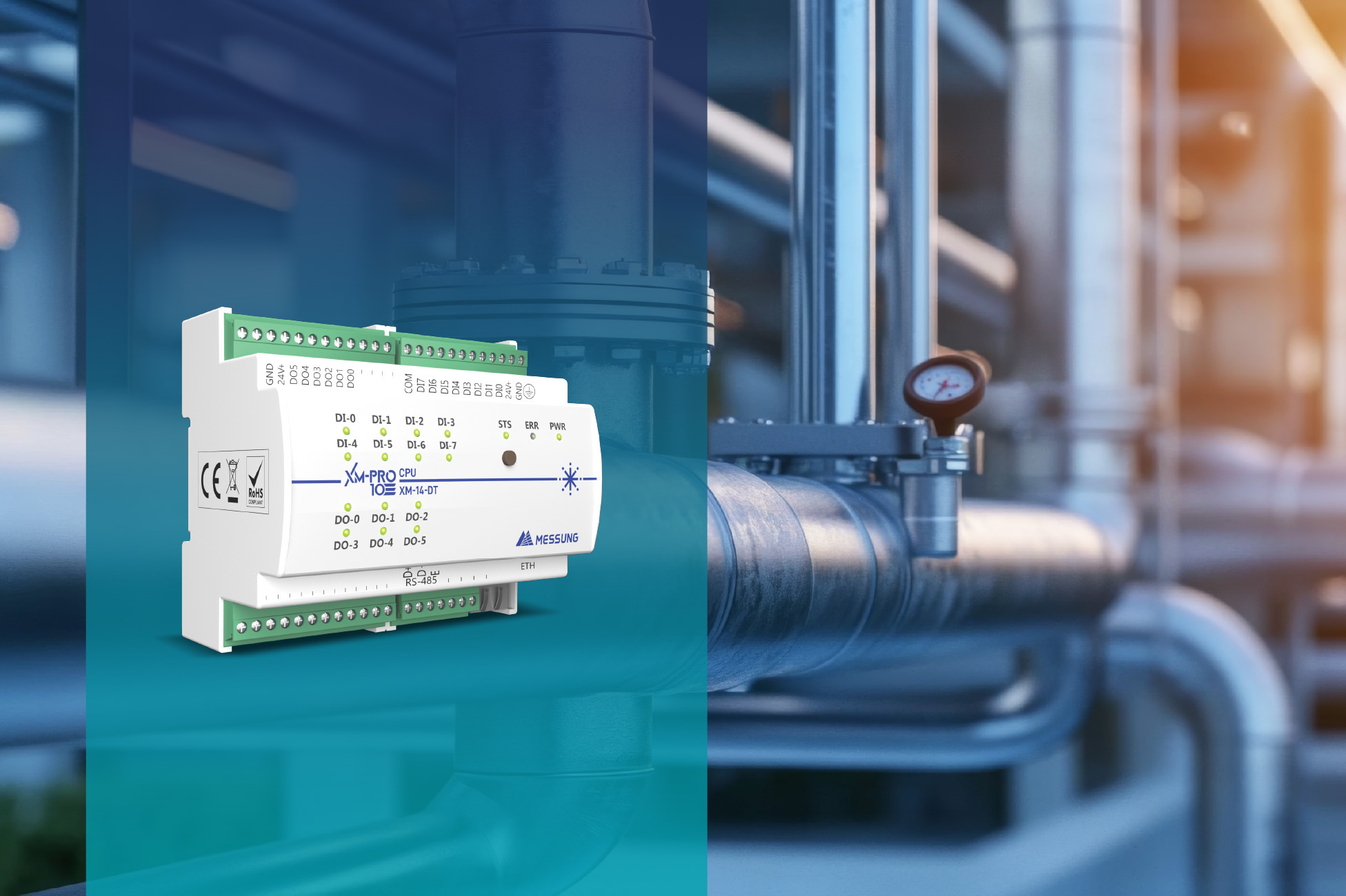
The use of Programmable logic controllers has revolutionized industrial testing processes. A well-designed PLC control system ensures precise control over every stage of the leak testing cycle.
A PLC-based system offers:
- .Accurate Pressure and Timing Control: Maintains precise test conditions
- .Reliable Leak Detection Logic: Detects even minor pressure variations
- .Consistent Pass/Fail Evaluation: Eliminates subjective decision-making
- . Enhanced Operator Safety: Reduces manual interaction with pressurized systems
An advanced industrial PLC like the XMPRO-10 acts as a high-performance programmable controller, delivering consistent and reliable testing outcomes across production cycles.
Automated Leak Testing Process
An automated air leak testing system operates through a structured sequence, controlled entirely by the PLC.
1. Component Loading and Sealing Verification
The component is placed into a testing fixture, and sensors ensure proper sealing before the test begins.
2. Controlled Pressurization
The system introduces air into the component, gradually increasing pressure to the required test level using a precise PLC control system.
3. Stabilization Phase
The pressure is stabilized to eliminate transient variations, ensuring accurate measurement.
4. Leak Measurement
The PLC continuously monitors pressure levels to detect any drop that may indicate leakage.
5. Evaluation and Comparison
The measured data is compared with predefined thresholds using programmed logic within the programmable controller.
6. Result Indication and Data Logging
The system provides a clear pass/fail indication and logs the data for traceability and analysis.
This automated sequence ensures uniform testing, making PLC automation essential for maintaining quality consistency.
XMPRO-10 PLC: The Core of Leak Testing Automation
The XMPRO-10 functions as a reliable industrial PLC, forming the backbone of the leak testing system.
It performs multiple critical functions:
- . Processing inputs from sensors and switches
- . Controlling valves, regulators, and actuators
- . Executing timing sequences with precision
- . Managing data logging and communication
- . Integrating with operator interfaces
Whether implemented as a compact PLC, mini PLC, or part of a Modular PLC setup, the system offers flexibility and scalability for different industrial requirements.
Flexible PLC Configurations for Industrial Applications
Modern leak testing systems require adaptable control architectures. Different PLC configurations serve varying operational needs:
Micro PLC, Mini PLC, and Small PLC
For compact systems, a Micro PLC, mini PLC, or small PLC offers efficient control with minimal footprint and cost.
Compact PLC
A compact PLC integrates processing, I/O modules, and communication interfaces into a single unit, making it ideal for mid-scale applications.
Modular PLC
For large and complex systems, a Modular PLC allows expansion through additional modules, ensuring scalability.
These configurations highlight the versatility of PLC for automation, making it suitable for a wide range of leak testing applications.
Integration with IIOT and IOT Technologies
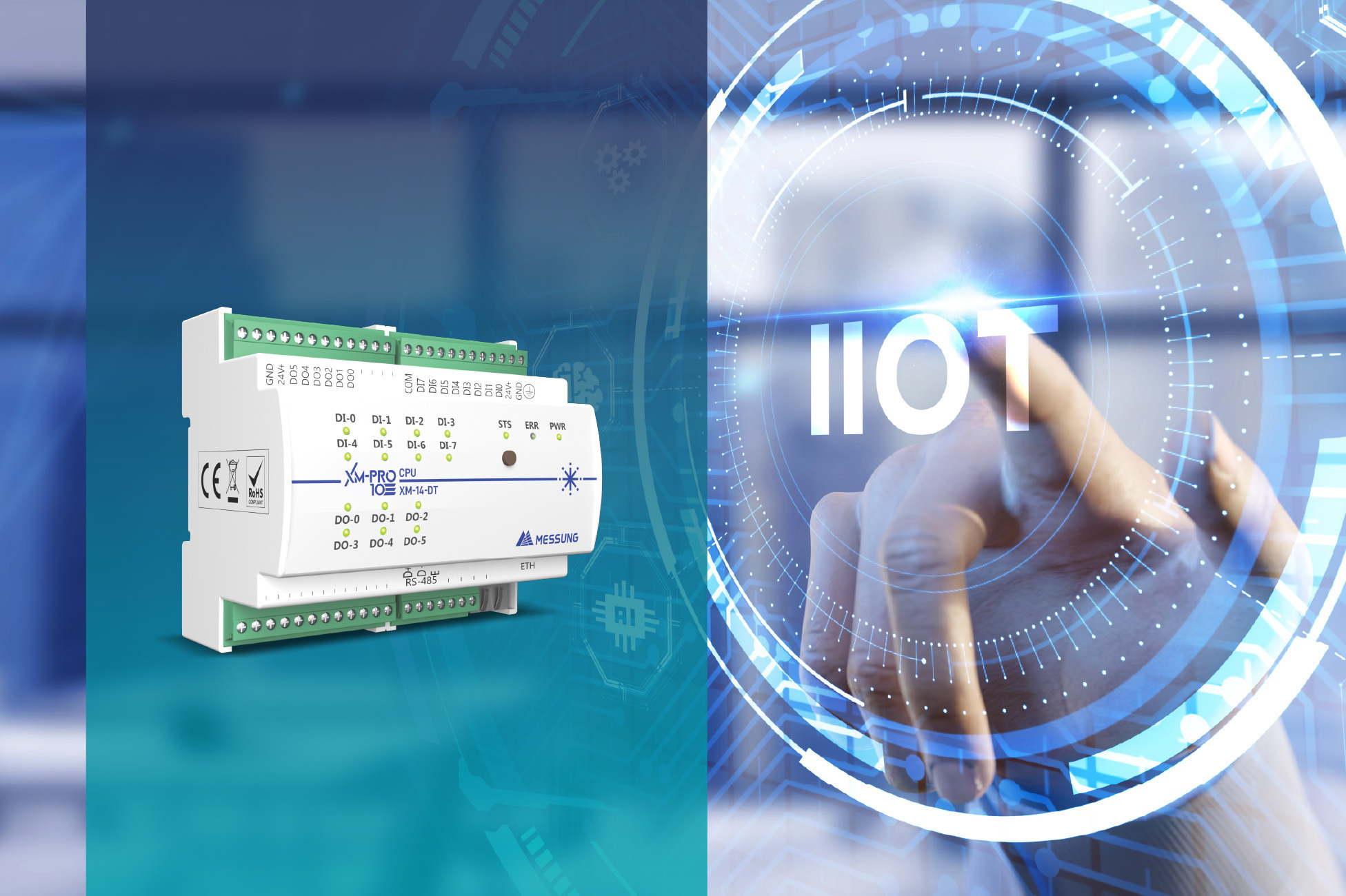
The integration of IIOT and IOT technologies is transforming traditional leak testing machines into smart systems.
By connecting PLC-based automation systems to digital platforms:
- Real-time test data can be accessed remotely
- Performance can be monitored continuously
- Alerts and notifications improve responsiveness
- Historical data enables trend analysis and optimization
With IIOT-enabled Programmable logic controllers, manufacturers can implement predictive maintenance and improve overall process efficiency.
Industrial Applications of Air Leak Testing Machines
Automated leak testing systems are widely used across industries:
Automotive Industry
Critical components such as fuel systems, radiators, and brake assemblies require precise leak testing.
Medical and Pharmaceutical Devices
Products like syringes and sealed containers must meet strict quality and safety standards.
Valves, Fittings, and Enclosures
Leak testing ensures reliability in components handling gases and fluids.
Pneumatic Assemblies
Maintaining pressure integrity is essential for system performance.
Across these sectors, PLC automation ensures consistent quality and operational efficiency.
Cost-Effective Automation with PLC Solutions
The availability of low cost PLC in India has made automation accessible to a broader range of industries.
Today, several leading PLC manufacturers in India offer advanced yet affordable solutions that combine performance with cost efficiency.
Benefits include:
- Reduced initial investment
- High reliability and durability
- Easy integration with existing systems
- Scalability for future expansion
Solutions such as compact PLC, mini PLC, and low cost PLC platforms provide efficient control without compromising performance.
This makes low cost PLC in India an attractive option for industries looking to modernize their testing systems.
Enhancing Efficiency Through PLC Automation
The implementation of PLC automation significantly improves production efficiency.
With a robust PLC control system:
- Testing cycles become faster and more consistent
- Human errors are minimized
- Production throughput increases
- Rework and scrap are reduced
By adopting PLC for automation, manufacturers can streamline operations and achieve higher productivity.
Key Benefits of Automated Air Leak Testing Systems
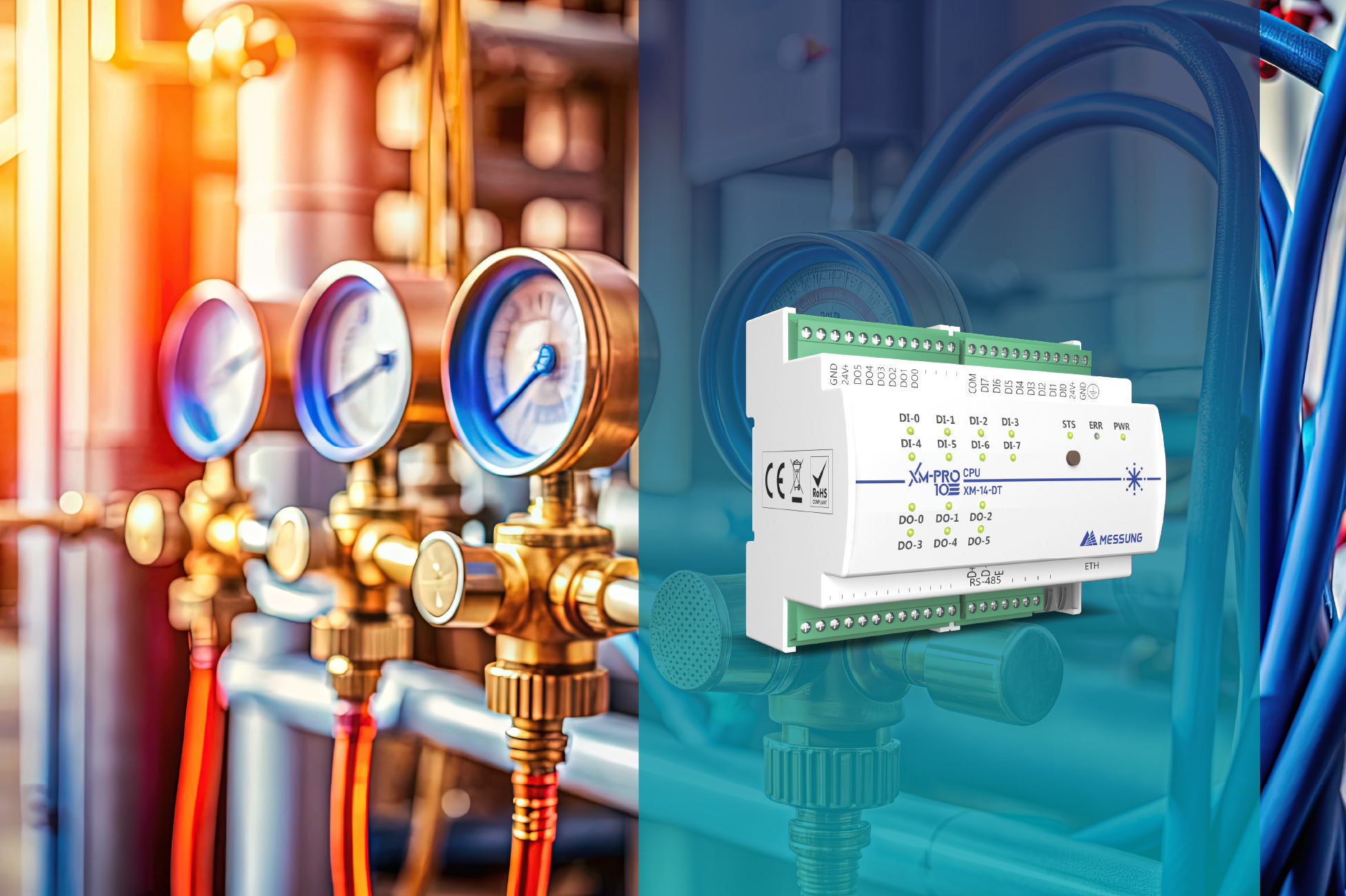
PLC-controlled leak testing systems deliver multiple advantages:
- Improved Testing Accuracy: Precise control ensures reliable results
- Reduced Rework and Scrap: Minimizes errors and waste
- Faster Cycle Times: Increases production speed
- Compliance with Standards: Ensures adherence to quality norms
- Improved Production Efficiency: Enhances overall performance
These benefits make industrial PLC-based automation systems essential for modern manufacturing.
Data Logging and Traceability
One of the most important features of PLC-based systems is data logging.
With integrated Programmable logic controllers, manufacturers can:
- Track individual test results
- Maintain audit-ready records
- Analyze performance trends
- Improve quality control processes
Traceability is critical in industries where compliance and accountability are essential.
Future of Leak Testing Automation
As manufacturing evolves, leak testing systems are becoming more intelligent and connected.
The future of automation systems will focus on:
- Smart monitoring through IIOT platforms
- Advanced analytics using IOT data integration
- Predictive maintenance capabilities
- Seamless integration with smart factories
Technologies such as industrial PLC, Modular PLC, and compact PLC will continue to drive innovation in this space.
Conclusion
Air leak testing plays a crucial role in ensuring product quality, safety, and reliability across industries.
An Air Leak Testing Machine powered by XMPRO-10 PLC combines precision, consistency, and intelligent control to deliver superior testing performance.
By leveraging PLC automation, manufacturers can achieve accurate testing, improved efficiency, and reduced operational risks.
With the growing presence of PLC manufacturers in India and the availability of low cost PLC solutions, adopting automation is now more practical and scalable than ever.
As industries embrace IIOT-enabled automation systems, Programmable logic controllers will remain central to building smarter, more efficient, and future-ready manufacturing environments