
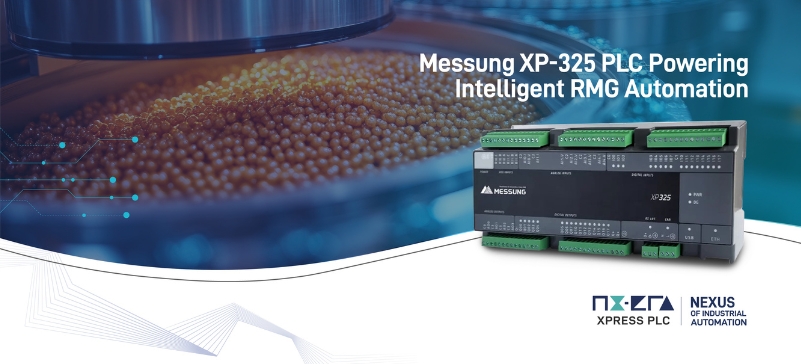
Rapid Mixer Granulators (RMGs) are a critical part of pharmaceutical granulation equipment, widely used across solid oral dosage manufacturing. They are designed to perform efficient mixing, binder addition, and wet granulation in a controlled manner, directly influencing granule quality, uniformity, and downstream process performance. In pharmaceutical manufacturing automation, the RMG is not just a mechanical system, it is a process-critical asset where precision and repeatability define product quality.
While mechanical design establishes the physical capability of an RMG, it is automation that determines accuracy, consistency, and compliance. Modern RMG operations involve impeller mixing, chopper action, controlled binder addition, and clearly defined wet granulation cycles. When these stages are managed manually or through fragmented controls, manufacturers face challenges such as inconsistent granule size, batch-to-batch variation, and gaps in process documentation.
Messung addresses these challenges through a structured RMG automation approach using the XP-325 PLC with HMI. This PLC based control system enables manufacturers to automate every stage of RMG operation while supporting real time process monitoring, reliable data acquisition systems, and regulatory-ready reporting. The result is a controlled, repeatable, and digitally traceable granulation process aligned with modern pharmaceutical automation standards.
Challenges in Conventional RMG Operation
● In traditional RMG setups, operators rely heavily on manual adjustments and experience-driven decision-making. This creates variability in mixing speed, chopper operation, and binder dosing, directly impacting granule quality. Without a centralized programmable logic controller, maintaining consistent process parameters across batches becomes difficult.
● One of the most common challenges is the lack of real-time monitoring of motor load. Without continuous feedback, equipment stress can go unnoticed, increasing the risk of mechanical wear and unplanned downtime. Synchronizing binder addition with impeller and chopper operation is another major issue, often resulting in uneven granulation.
● Batch traceability is also limited in manual or semi-automated systems. Inadequate data logging PLC capabilities make it difficult to generate complete batch records or investigate deviations. High operator dependency further increases the risk of human error, affecting both product quality and compliance.
These limitations highlight the need for process automation built on a reliable industrial PLC platform.
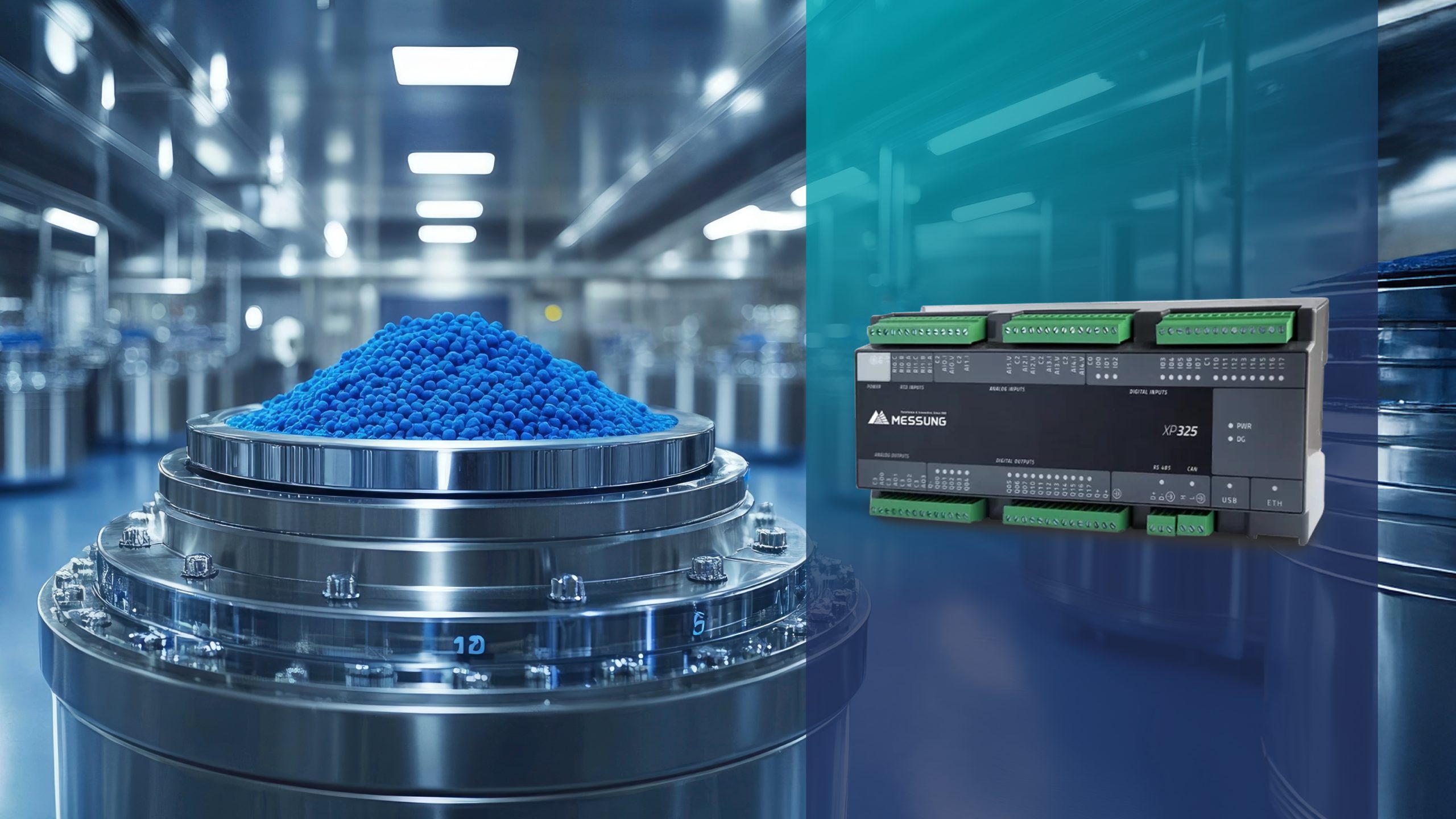
Why Automation Is Essential for RMGs
RMG automation transforms granulation into a controlled and repeatable pharmaceutical process. By integrating all process stages, safety checks, and reporting functions into a single control system architecture, automation ensures consistency and compliance across operations. Using Messung’s XP-325 programmable logic controller enables accurate speed control of the impeller, chopper, and co-mill while providing continuous feedback through process control instrumentation. Motor current monitoring supports equipment performance monitoring and helps identify abnormal operating conditions early. Automated cycle sequencing ensures that dry, binder, and wet granulation stages execute in a defined and repeatable manner. Secure batch records and audit trails support regulatory requirements, while centralized monitoring through an intuitive HMI simplifies operation and supervision.
This approach aligns RMG automation with broader digital transformation in manufacturing and smart factory solutions, ensuring reliable and future-ready operations.
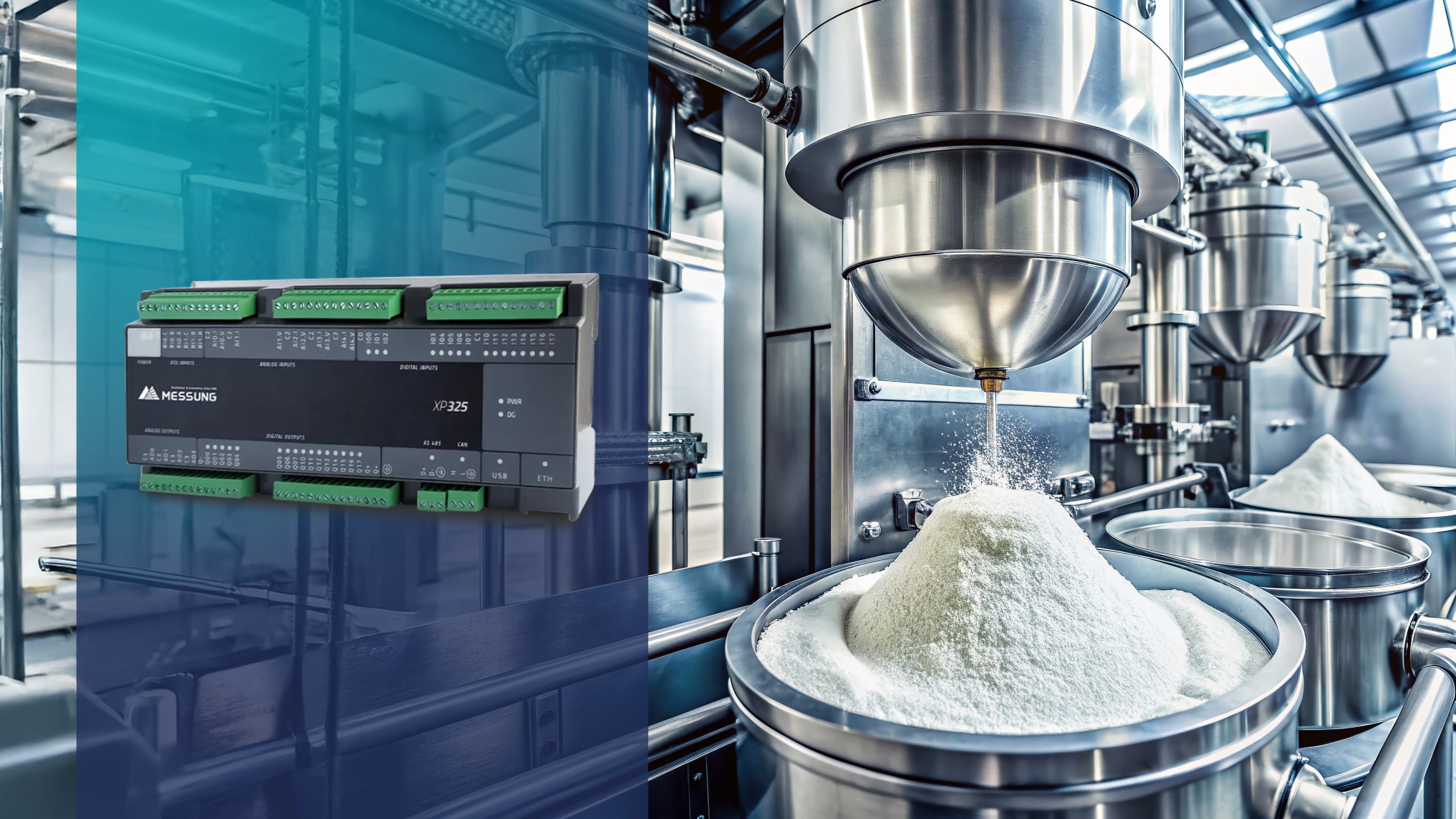
System Overview: XP-325 PLC-Based RMG Automation
The automated RMG system is built around the XP-325 PLC, which acts as the central controller for all mechanical drives, sensors, pumps, and reporting functions. This compact PLC integrates seamlessly with an HMI, enabling operators to configure parameters, monitor batch progress, and review system status in real time.
The PLC based control system ensures coordinated operation across all RMG subsystems, creating a unified automation system rather than isolated control islands.
- AC Drive Integration for RMG Operation
The RMG setup incorporates three AC drives, each playing a defined role in the granulation process.
The impeller drive controls the primary mixing action, ensuring uniform blending of raw materials. The chopper drive supports granule uniformity through high-speed cutting, while the co-mill drive is used for post-granulation size reduction when required. Speed references for these drives are provided through analog outputs from the XP-325 PLC, enabling precise and stable control. Motor current feedback is received via analog inputs, allowing continuous load monitoring. This closed loop control system enhances operational safety and supports proactive equipment management.
- Peristaltic Pump Control for Binder Addition
Binder addition is a critical stage in RMG operation, directly affecting granule consistency. The XP-325 PLC uses high-speed outputs to control the peristaltic pump, ensuring accurate and repeatable binder dosing. Peristaltic pump control is synchronized with impeller and chopper operation, maintaining process stability throughout the binder cycle. This coordination improves granulation quality while reducing operator dependency and variability.
- Automated RMG Operating Cycles
The XP-325 PLC executes three primary granulation cycles, each managed through automated sequencing and feedback control. The dry cycle focuses on uniform mixing of base powders prior to binder addition. During the binder cycle, dosing is performed through the peristaltic pump while impeller and chopper operate at defined speeds. The wet cycle completes granulation, ensuring the desired granule size and moisture level.
Each cycle is controlled using timers, speed references, and feedback signals, ensuring repeatability and consistency across batches.
- 21 CFR Part 11 Compliance Features
Regulatory compliance is a core requirement in pharmaceutical manufacturing automation. The XP-325 PLC supports digital compliance through structured data handling and reporting. Batch reports are generated automatically, capturing process parameters, timings, and results. Audit trails record all user actions, including logins, parameter changes, and alarms. Alarm reports provide a comprehensive log of process and system events, while role-based user management ensures secure operation.
These features support automated compliance reporting and align with regulated pharmaceutical environments.
- Data Communication and Real-Time Monitoring
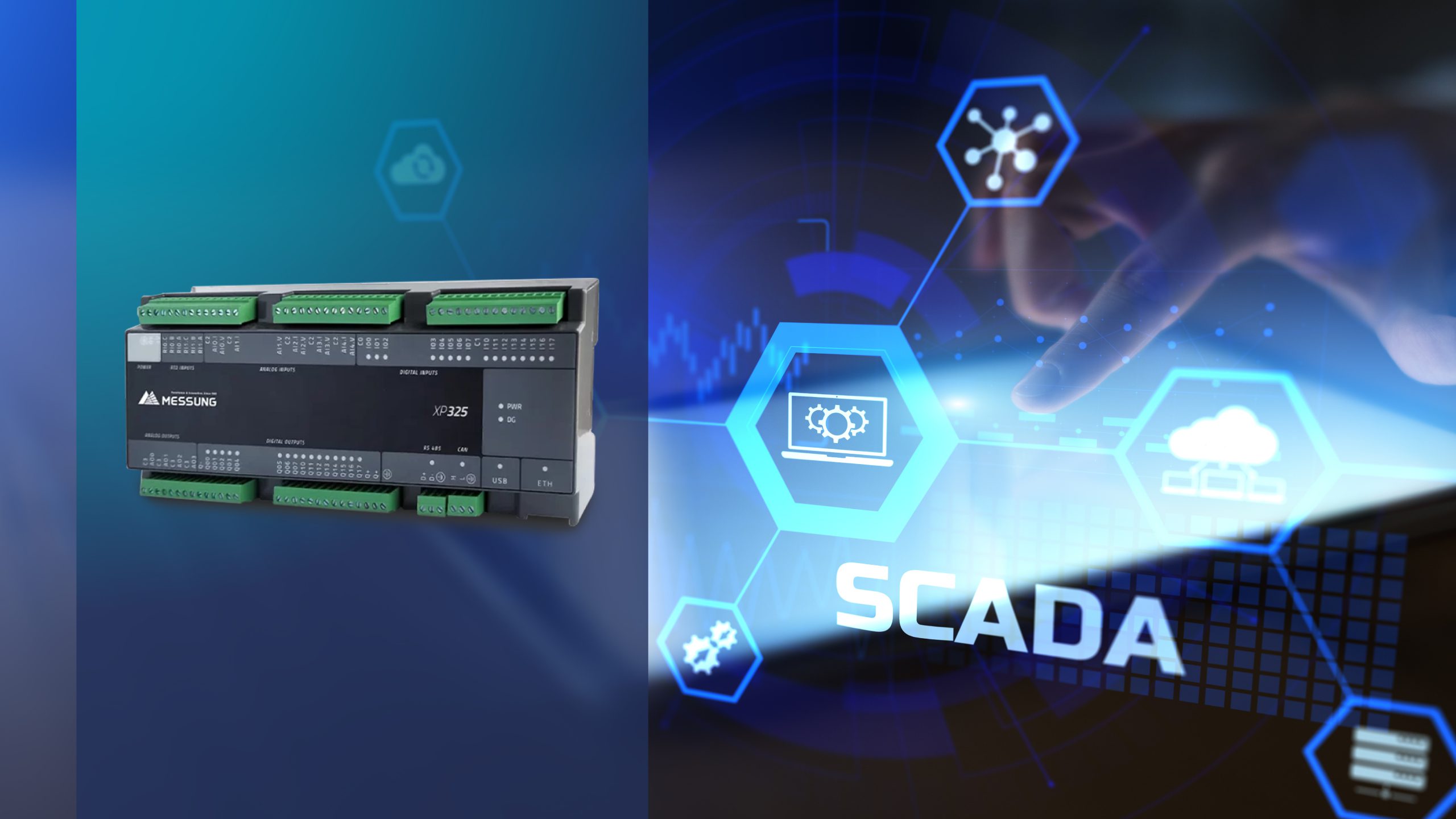
The XP-325 PLC supports real-time data transfer for higher-level systems, enabling seamless integration with manufacturing execution systems, SCADA systems, and plant-level analytics platforms. Built-in OPC UA automation ensures secure and standardized industrial communication protocols. Process data, alarms, and batch information are transferred in real time, supporting centralized monitoring and quality management.
This connectivity strengthens data acquisition systems and enables reliable digital records across the automated production line.
Benefits of Using XP-325 PLC for RMG Automation
● Implementing RMG automation with Messung’s XP-325 PLC delivers measurable benefits. Precision control of drives and binder dosing improves batch consistency, while automated sequencing reduces human error.
● Regulatory readiness is enhanced through audit trails, secure data logging, and structured batch records. Real-time diagnostics support equipment performance monitoring, improving uptime and productivity.
● The system is scalable and adaptable, supporting multi-machine environments and long-term process optimization.
Conclusion
Modern pharmaceutical granulation demands more than mechanical performance—it requires intelligent automation systems that ensure accuracy, consistency, and compliance. By integrating the XP-325 PLC and HMI into RMG operations, Messung delivers a robust and reliable automation solution for high-shear granulation processes.
This approach provides centralized control, complete digital traceability, and real-time visibility into process performance. It supports 21 CFR-ready documentation while aligning with broader digital transformation in manufacturing initiatives.
With XP-325 PLC–based RMG automation, Messung enables manufacturers to achieve controlled, repeatable, and compliant granulation, confidently supporting the future of pharmaceutical manufacturing.